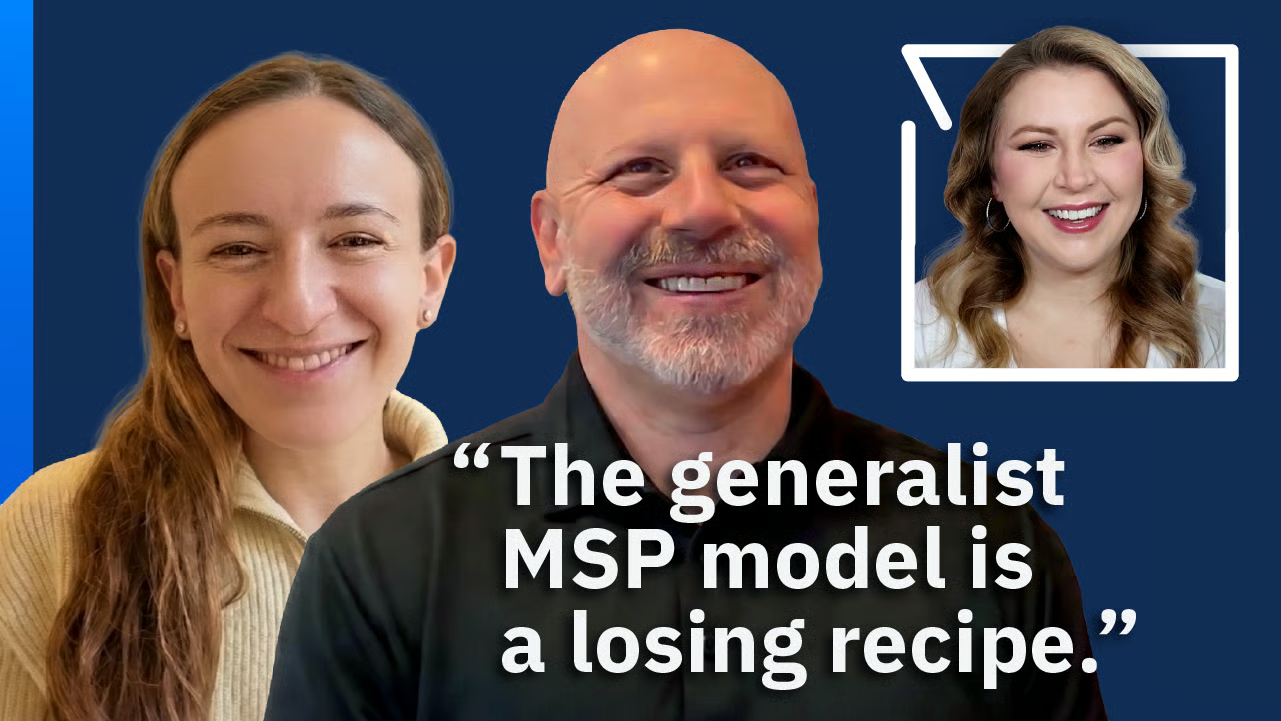
Leaders from Harbor IT explain why the traditional generalist MSP model is fading and how specialization, cybersecurity expertise, and vertical industry focus are shaping the future of managed services.
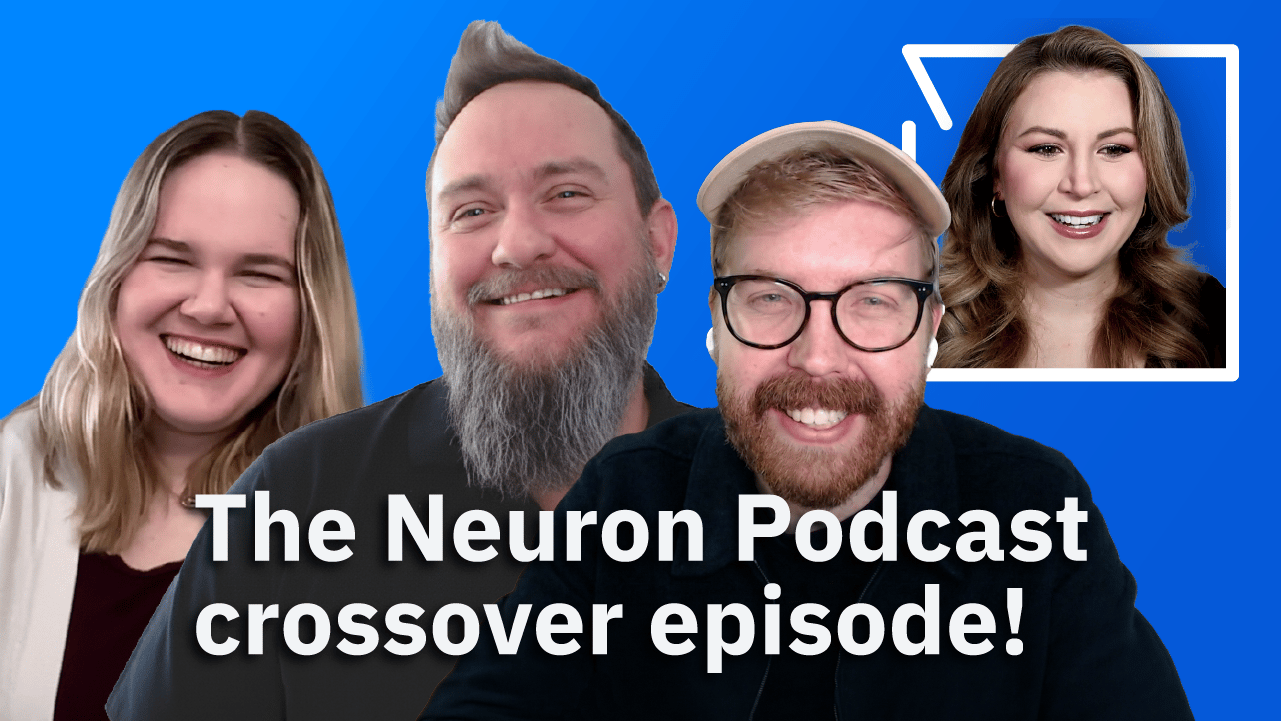
In this Channel Insider crossover, the hosts of The Neuron break down the AI race, the bubble debate, and what today’s tools really mean for businesses and everyday users.
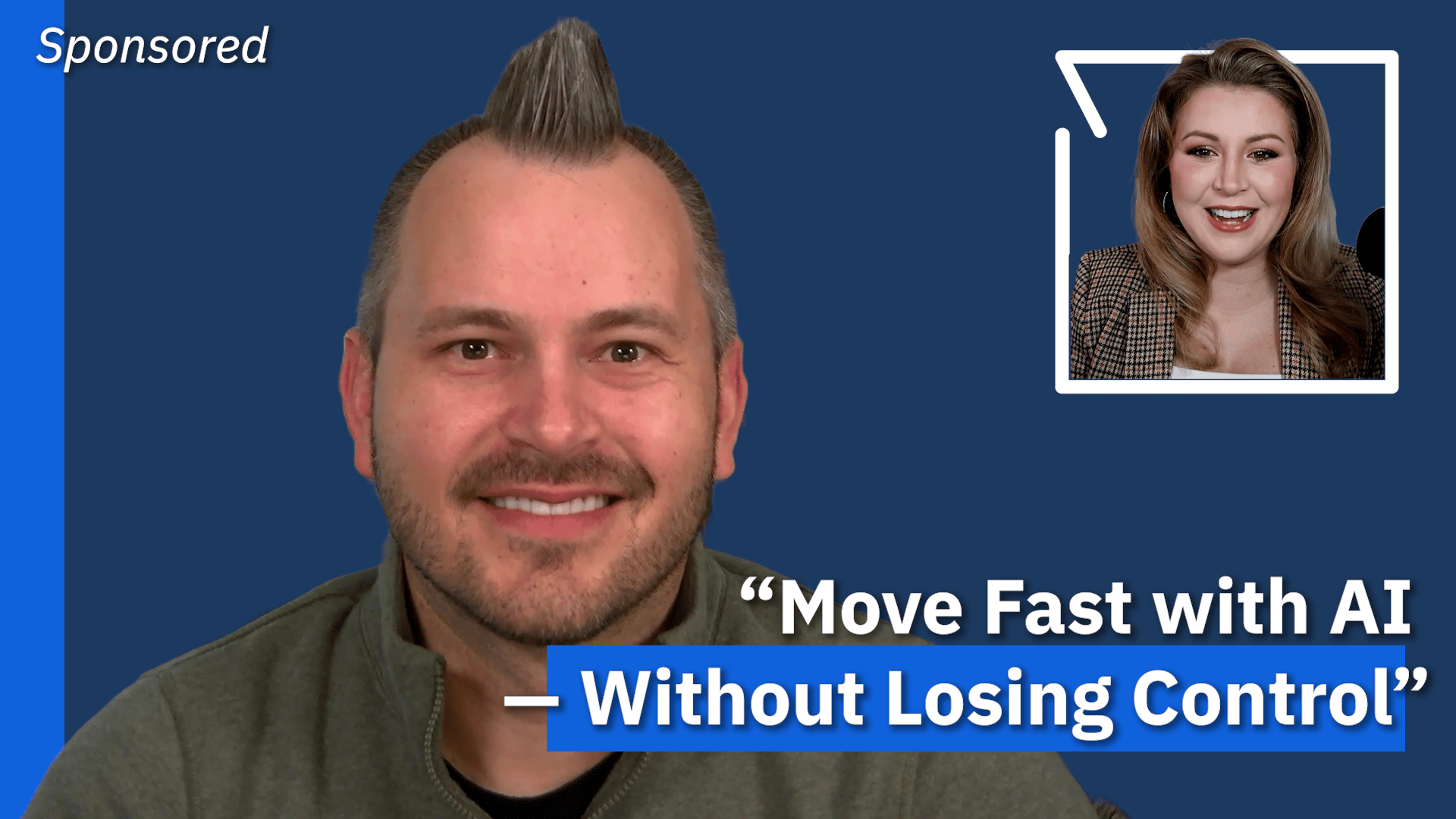
SurePath AI CEO Casey Bleeker explains how organizations can accelerate generative AI adoption using zero trust principles and AWS guardrails without increasing security and compliance risk.

Industry experts from Netskope and Optiv explain how their partnership helps organizations secure cloud and AI adoption while balancing innovation governance and real world security outcomes.
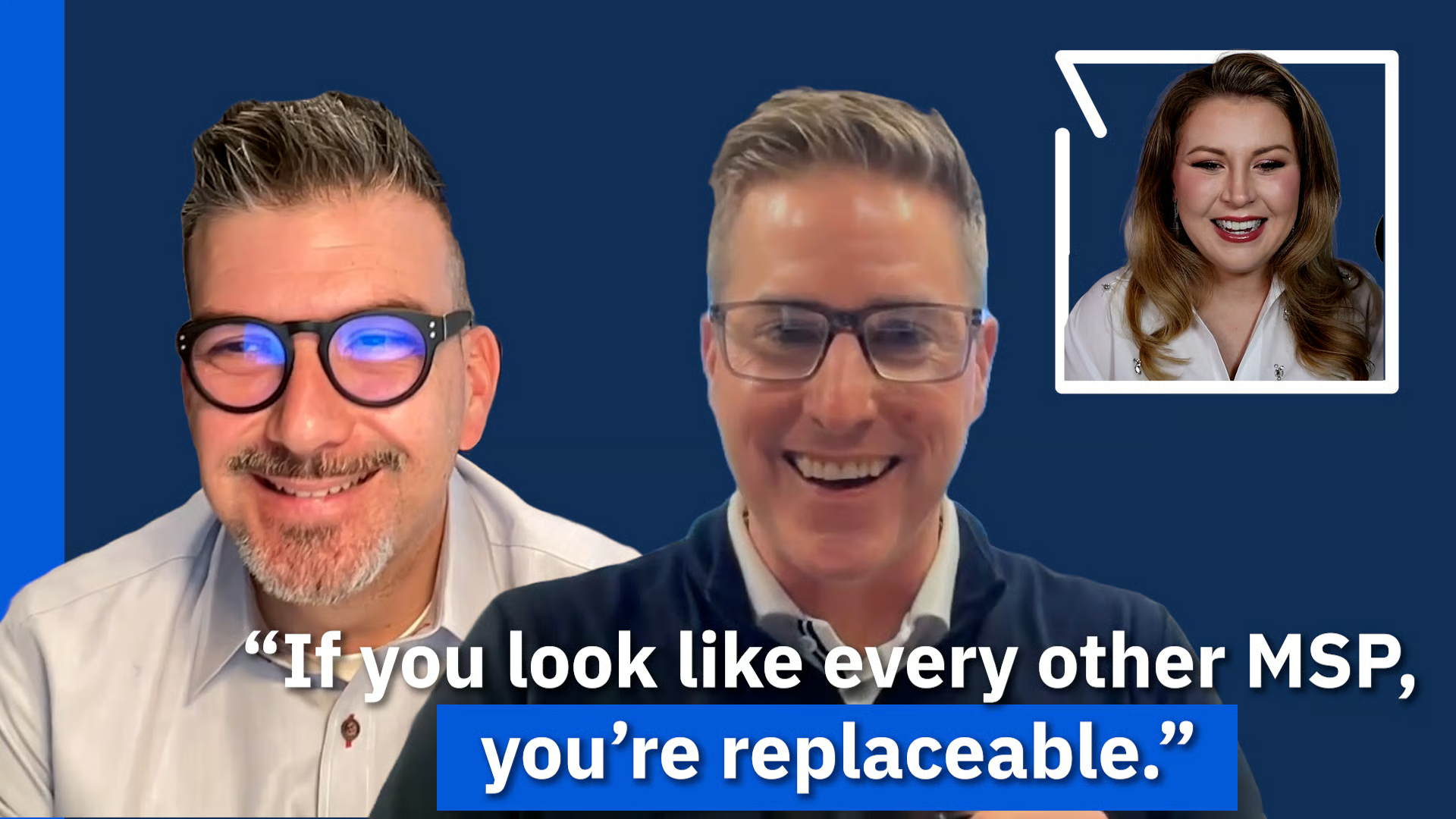
Integris CEO Glenn Mathis and CRO Kyle Wewe share how AI along with verticalization and acquisitions are shaping the future of MSPs in 2026.
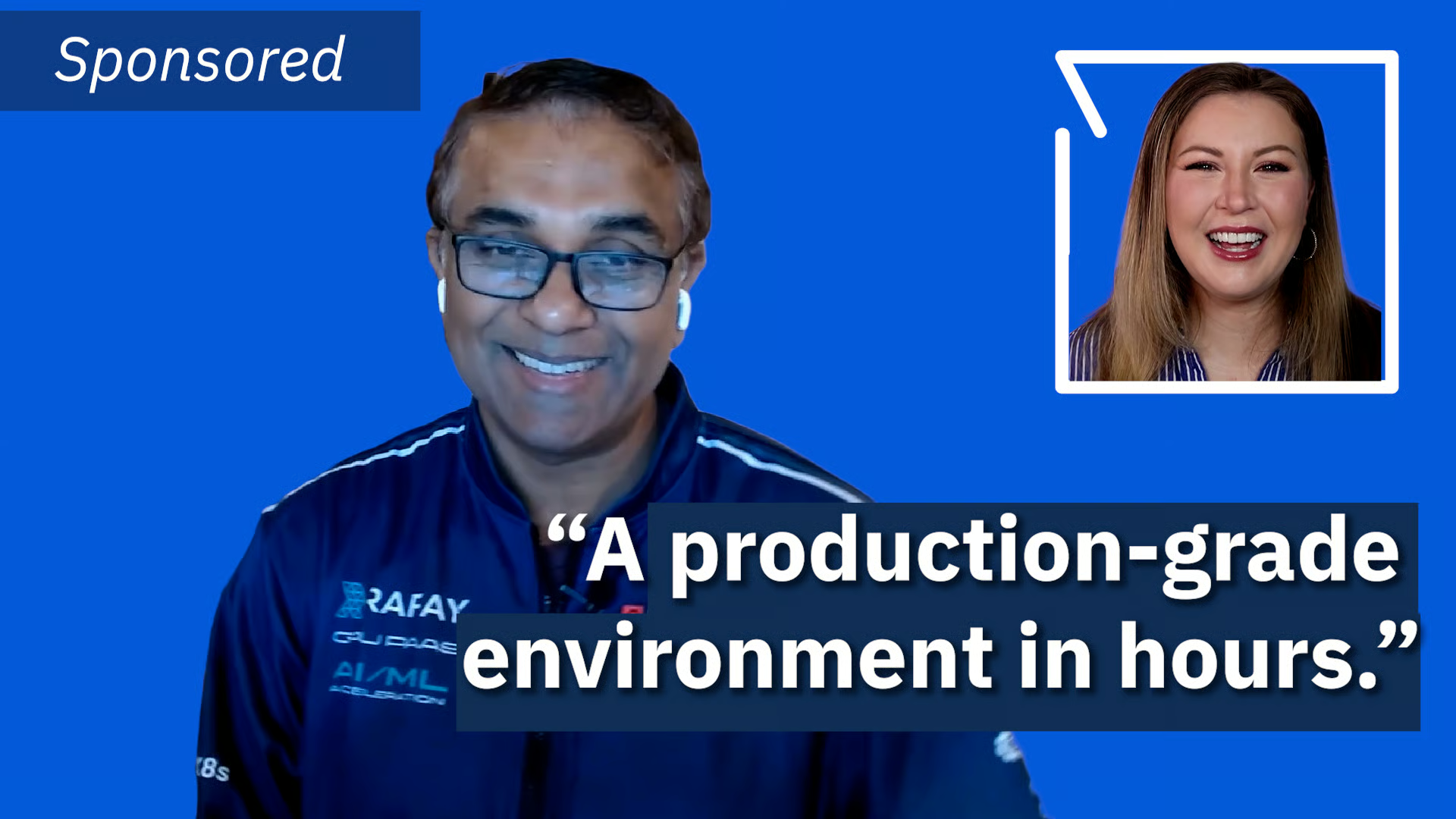
Explore how Rafay Systems helps enterprises simplify hybrid cloud, Kubernetes, and AI workloads on AWS to improve governance, speed, and cost efficiency at scale.

-
Channel Business -
Security -
AI -
Infrastructure Related Topics -
- Lists & Awards Top ArticlesLink to AI 50 List AI 50 ListChannel Insider's editorial team spotlights the top AI leaders from MSPs, vendors, and channel businesses delivering measurable outcomes.Link to CML 100 Honorees CML 100 HonoreesCheck out our CML 100 List to discover the top channel marketing individuals who are transforming channel marketing for their organizations.Link to HSP 250 List HSP 250 ListView our HSP250 list to see the top Hybrid Solution Providers that have proactively embraced the future of tech.Link to The 2024 Channel Insider VIP List The 2024 Channel Insider VIP ListChannel Insider sought nominations from IT vendors, solution providers, and partners to highlight impactful collaborations. Check out our top choices here.
- Resources Resource HubsFeatured ResourcesLink to Video: Harbor IT on NENS Acquisition and Why the Generalist MSP Model Is DyingVideo: Harbor IT on NENS Acquisition and Why the Generalist MSP Model Is Dying
Leaders from Harbor IT explain why the traditional generalist MSP model is fading and how specialization, cybersecurity expertise, and vertical industry focus are shaping the future of managed services.
Link to Video: Hype, Bubble, or Breakthrough? Talking All Things AI with The NeuronVideo: Hype, Bubble, or Breakthrough? Talking All Things AI with The NeuronIn this Channel Insider crossover, the hosts of The Neuron break down the AI race, the bubble debate, and what today’s tools really mean for businesses and everyday users.
Link to Video: SurePath AI CEO Secure GenAI Adoption with Zero TrustVideo: SurePath AI CEO Secure GenAI Adoption with Zero TrustSurePath AI CEO Casey Bleeker explains how organizations can accelerate generative AI adoption using zero trust principles and AWS guardrails without increasing security and compliance risk.
Link to Video: How Netskope and Optiv Fight Shadow AIVideo: How Netskope and Optiv Fight Shadow AIIndustry experts from Netskope and Optiv explain how their partnership helps organizations secure cloud and AI adoption while balancing innovation governance and real world security outcomes.
Link to Video: Integris CEO and CRO on AI, Acquisitions, and How To Be an Irreplaceable MSPVideo: Integris CEO and CRO on AI, Acquisitions, and How To Be an Irreplaceable MSPIntegris CEO Glenn Mathis and CRO Kyle Wewe share how AI along with verticalization and acquisitions are shaping the future of MSPs in 2026.
Link to Video: How Rafay Systems Simplifies Hybrid Cloud & AI on AWSVideo: How Rafay Systems Simplifies Hybrid Cloud & AI on AWSExplore how Rafay Systems helps enterprises simplify hybrid cloud, Kubernetes, and AI workloads on AWS to improve governance, speed, and cost efficiency at scale.
- About About