Articles
View All Hover to load posts
Articles
View All Hover to load posts
Articles
View All Hover to load posts
Related Topics
Articles
View All Hover to load posts
Articles
Link to AI 50 List 
AI 50 List
Channel Insider's editorial team spotlights the top AI leaders from MSPs, vendors, and channel businesses delivering measurable outcomes.
Link to CML 100 Honorees 
CML 100 Honorees
Check out our CML 100 List to discover the top channel marketing individuals who are transforming channel marketing for their organizations.
Link to HSP 250 List 
HSP 250 List
View our HSP250 list to see the top Hybrid Solution Providers that have proactively embraced the future of tech.
Link to The 2024 Channel Insider VIP List 
The 2024 Channel Insider VIP List
Channel Insider sought nominations from IT vendors, solution providers, and partners to highlight impactful collaborations. Check out our top choices here.
Resource Hubs
Featured Resources
Link to How AI Is Changing IT Channel Partner Programs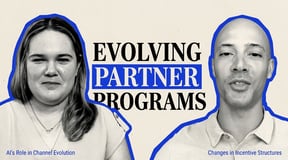
How AI Is Changing IT Channel Partner Programs
AI, integrations, and evolving vendor strategies are reshaping partner programs and MSP ecosystems in 2026.
Link to Video: What Partners Need to Know About Cisco Cloud Control
Video: What Partners Need to Know About Cisco Cloud Control
Cisco unveiled Cloud Control and a new AgenticOps strategy, creating new opportunities in services, integration, and AI governance.
Link to How Leasing Helps Channel Partners Win Bigger Deals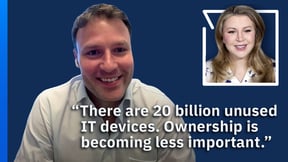
How Leasing Helps Channel Partners Win Bigger Deals
CHG-MERIDIAN’s Simon Harrsen explains how financing, device lifecycle management, and more expand opportunities.
Link to Video: Deepfake Defense May Become a Core MSP Service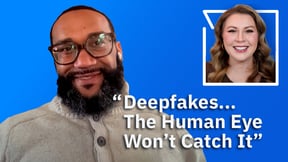
Video: Deepfake Defense May Become a Core MSP Service
Delta Bear CEO Daniel Elliott joins Channel Insider: Partner POV to discuss deepfake attacks, AI impersonation risks, cyber insurance gaps, and MSP opportunities.
Link to Logically CEO on Cyber Risk, AI, and MSP Strategy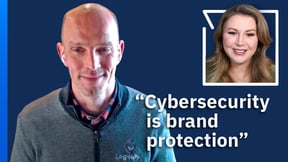
Logically CEO on Cyber Risk, AI, and MSP Strategy
Logically CEO Joshua Skeens discusses board-level cyber risk, brand protection, tool sprawl, AI ROI, and MSP strategy.
Link to Video: SotaTek US CEO on AI Infrastructure Mistakes MSPs Must Fix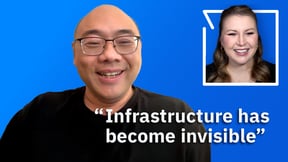
Video: SotaTek US CEO on AI Infrastructure Mistakes MSPs Must Fix
Katie Bavoso sits down with MK Tong, CEO of SotaTek USA, to break down why infrastructure—not AI models—is the real bottleneck for enterprise success

-
Channel Business -
Security -
AI -
Infrastructure Related Topics -
- Lists & Awards Top ArticlesLink to AI 50 List AI 50 ListChannel Insider's editorial team spotlights the top AI leaders from MSPs, vendors, and channel businesses delivering measurable outcomes.Link to CML 100 Honorees CML 100 HonoreesCheck out our CML 100 List to discover the top channel marketing individuals who are transforming channel marketing for their organizations.Link to HSP 250 List HSP 250 ListView our HSP250 list to see the top Hybrid Solution Providers that have proactively embraced the future of tech.Link to The 2024 Channel Insider VIP List The 2024 Channel Insider VIP ListChannel Insider sought nominations from IT vendors, solution providers, and partners to highlight impactful collaborations. Check out our top choices here.
- Resources Resource HubsFeatured ResourcesLink to How AI Is Changing IT Channel Partner ProgramsHow AI Is Changing IT Channel Partner Programs
AI, integrations, and evolving vendor strategies are reshaping partner programs and MSP ecosystems in 2026.
Link to Video: What Partners Need to Know About Cisco Cloud ControlVideo: What Partners Need to Know About Cisco Cloud ControlCisco unveiled Cloud Control and a new AgenticOps strategy, creating new opportunities in services, integration, and AI governance.
Link to How Leasing Helps Channel Partners Win Bigger DealsHow Leasing Helps Channel Partners Win Bigger DealsCHG-MERIDIAN’s Simon Harrsen explains how financing, device lifecycle management, and more expand opportunities.
Link to Video: Deepfake Defense May Become a Core MSP ServiceVideo: Deepfake Defense May Become a Core MSP ServiceDelta Bear CEO Daniel Elliott joins Channel Insider: Partner POV to discuss deepfake attacks, AI impersonation risks, cyber insurance gaps, and MSP opportunities.
Link to Logically CEO on Cyber Risk, AI, and MSP StrategyLogically CEO on Cyber Risk, AI, and MSP StrategyLogically CEO Joshua Skeens discusses board-level cyber risk, brand protection, tool sprawl, AI ROI, and MSP strategy.
Link to Video: SotaTek US CEO on AI Infrastructure Mistakes MSPs Must FixVideo: SotaTek US CEO on AI Infrastructure Mistakes MSPs Must FixKatie Bavoso sits down with MK Tong, CEO of SotaTek USA, to break down why infrastructure—not AI models—is the real bottleneck for enterprise success
- About About
- Events Events

